


- Vitamin E is an antioxidant that helps reduce oxidative stress on the scalp and supports blood circulation to hair follicles.
- It helps replace the protective lipid layer on hair strands, improving shine and reducing breakage.
- Vitamin E does not directly cause hair growth, but supports a healthier scalp environment for existing follicles.
- A weekly scalp treatment is generally enough for most hair types; oily scalps should use it more sparingly.
- It can help soothe a dry, flaking scalp, though it is not a treatment for fungal dandruff specifically.
- Reduced breakage and improved strength typically take 6 to 8 weeks of consistent use to become noticeable.
- What Vitamin E Actually Does for Hair
- Does It Help Hair Growth?
- Shine and Breakage Resistance
- Scalp Health and Circulation
- How to Use Vitamin E on Hair
- Vitamin E and Dandruff
- Mixing With Other Oils
- Common Mistakes
- Results, Timeline and Best Practices
- Who Should Be Careful With Vitamin E
- Related Reading
- Frequently Asked Questions
Vitamin E has earned a permanent place in hair care conversations, but the claims around it range from well supported to wildly overstated. This guide separates what vitamin E genuinely does for hair and scalp from what is simply marketing, and shows how to actually use it. Vitamin E has been used in dermatology since the 1950s to help protect the skin against ageing, inflammation and sun damage, and the fat-soluble antioxidant is vital for maintaining healthy skin as well as a strong immune system, as detailed in this medically reviewed guide to vitamin E for hair.
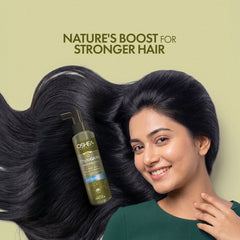
You will find it mapped to real products along the way, from the Onion and Ginger hair oil to the wider hair oil collection. As a herbal skincare brand, Oshea's hair care approach also extends to a dedicated hair vitalizer collection built around scalp and strand nourishment. You will also find complementary options across the hair care collection and the hair serum collection.
1. What Vitamin E Actually Does for Hair
A weekly scalp boost of vitamin E oil could help bring back softness and strength, says board-certified dermatologist Dr. Alicia Zalka, in this dermatologist-sourced guide to vitamin E for hair. Vitamin E is a plant-based antioxidant that has earned its place in the beauty aisle for its healing and hydrating qualities, and dermatologists say it works just as well on scalp and hair as it does on skin.
Vitamin E is fat-soluble, meaning it needs an oil-based delivery to remain stable and absorb properly. This is why it appears almost exclusively in oils and oil-based serums rather than water-based formulas.
2. Does It Help Hair Growth?
"Vitamin E oil, because it is an antioxidant, helps reduce oxidative stress in the scalp," explains Dr. Kim Nichols, a board-certified dermatologist and cosmetic surgeon, in the same source. Oxidative stress makes it harder for the body to repair damage, leading hair follicle cells to break down and increasing the risk of hair loss. By nourishing the scalp and restoring healthy function, vitamin E oil can create a better environment for growth, though it is not a direct growth stimulant on its own.
Also Read: Amla for hair growth
3. Shine and Breakage Resistance
Hair can look dull and frizzy when it is damaged. When the protective fat layer on the outside of the hair's cuticle is removed, it loses its shine and becomes difficult to manage, according to the American Academy of Dermatology, cited in this medically reviewed guide to vitamin E for hair. A vitamin E-rich oil can help replace that protective layer and bring back shine, and oil in general also helps seal out moisture, reduce breakage and protect hair from damage.
Give your scalp and strands the antioxidant support they need
Discover nourishing hair oils formulated for shine and breakage resistance.
Shop the Phytogain Hair Vitalizer4. Scalp Health and Circulation
Vitamin E is essential for healthy skin, and this includes the scalp. Poor scalp health is linked to lacklustre hair quality, and vitamin E supports the scalp by reducing oxidative stress and preserving the protective lipid layer, as detailed in this research-based overview of vitamin E benefits for hair. It also promotes blood circulation to the scalp, which further supports follicle health over time.
5. How to Use Vitamin E on Hair
- Warm the oil between your palms to improve spreadability.
- Massage into the scalp using gentle circular motions to stimulate circulation.
- Apply to lengths and ends for dry or damaged hair, focusing on split tips. This pairs well with a nourishing rice water hair conditioner on wash days.
- Leave in for at least an hour, or overnight for deeper treatment.
- Wash out thoroughly with a gentle shampoo the next morning.
Also Read: How to use hair serum
6. Vitamin E and Dandruff
Dry, irritated skin can be a sign of vitamin E deficiency, and oils containing vitamin E may help moisturise the scalp and reduce the flaking that contributes to dandruff. It is not a treatment for fungal-related dandruff on its own, but it can genuinely support overall scalp comfort as part of a broader routine. That said, the research specifically on vitamin E and hair is thinner than the marketing suggests. Most claimed benefits lack rigorous scientific backing, and researchers say scientists need considerably more study to pin down exactly what vitamin E does for hair, according to this evidence-reviewed overview of vitamin E for hair. One small study of 38 volunteers did find that one component of vitamin E improved hair growth compared with a placebo, which is a genuinely useful data point, even if it falls short of a definitive verdict.
Be honest about the evidence: vitamin E's role in hair care is grounded mostly in its established antioxidant and skin-barrier benefits, extended to the scalp by reasonable inference, rather than a large body of hair-specific clinical trials.
7. Mixing With Other Oils
| Combine with | Benefit |
|---|---|
| Onion oil | Added support for hair strength and shine |
| Coconut oil | Deep moisture for dry, damaged lengths |
| Almond oil | Lightweight nourishment, less heavy on scalp |
Try the Onion and Ginger combo or the Phytogain hair oil and vitalizer combo for a pre-blended option that includes vitamin E alongside other actives. Dermatologist Dr. Kim Nichols recommends starting with a diluted, roughly quarter-sized amount applied to the scalp a few times a week rather than a full, undiluted dose, since vitamin E oil is a relatively heavy compound on its own, as she explains in this dermatologist guide to using vitamin E oil for hair.
8. Common Mistakes
- Using too much on an already oily scalp, leading to buildup and heaviness. See the Glopure serum for a lighter, non-oily alternative.
- Expecting direct hair growth rather than a supportive scalp environment.
- Skipping the patch test for those with known sensitivities.
- Not washing out thoroughly, leaving residue that weighs hair down. Follow up with a clarifying wash using the keratin hair repair shampoo if you notice any buildup.
- Treating it as a substitute for a full routine. Vitamin E oil works best alongside good basics such as a regular at-home hair spa routine rather than replacing one.
9. Results, Timeline and Best Practices
| What you are after | When to expect it |
|---|---|
| Improved shine, scalp comfort | 1 to 2 weeks |
| Reduced breakage | 6 to 8 weeks of consistent use |
| Overall hair strength | 2 to 3 months |
Best practices
- Use once a week as a treatment rather than daily, unless hair is very dry.
- Combine with a balanced diet and regular trims for best overall results.
- Patch test before first use if you have any known sensitivities.
10. Who Should Be Careful With Vitamin E
- Very oily scalps: use sparingly to avoid buildup and heaviness. See the oily hair range for lighter options.
- Dry, damaged hair: the group that benefits most from regular use. See the Onion and Ginger shampoo.
- Sensitive or reactive scalp: patch test before applying directly.
- Colour-treated hair: generally safe, and its antioxidant properties may help protect against further damage. Pair it with a gentle Heenashine conditioner shampoo to avoid stripping colour.
Consistency matters more than the specific oil you choose. Building vitamin E into a wider hair growth support routine that also covers diet, sleep and gentle handling will do more for long-term hair health than any single product used in isolation.
11. Related Reading
Key Takeaways
- Vitamin E reduces oxidative stress on the scalp and supports blood circulation to hair follicles.
- It replaces the protective lipid layer on strands, improving shine and reducing breakage.
- It supports a healthier scalp environment rather than directly causing hair growth.
- Use once weekly as a scalp treatment; oily scalps should apply more sparingly.
- Give it 6 to 8 weeks of consistent use before judging whether it is genuinely working.
12. Frequently Asked Questions
What does vitamin E actually do for hair?
Vitamin E is an antioxidant that helps reduce oxidative stress on the scalp, supports blood circulation to hair follicles, and helps replace the protective lipid layer on hair strands. This can translate to less breakage, more shine, and a healthier scalp environment for growth.
Does vitamin E help with hair growth?
Vitamin E does not directly cause hair to grow, but by reducing oxidative stress and supporting a healthier scalp environment, it can create better conditions for existing follicles to function well. It works best as part of an overall scalp care approach rather than a standalone growth treatment.
Can vitamin E oil be applied directly to the scalp?
Yes, vitamin E oil can be massaged directly into the scalp, ideally once a week as a treatment. It can also be mixed with a carrier oil or applied along the lengths of hair to help with dryness and add shine.
Who should avoid using vitamin E on their hair?
People with very oily scalps may find vitamin E oil too heavy for frequent use and should apply it sparingly or only occasionally. Anyone with a known sensitivity to vitamin E or nut-derived oils should patch test before applying it to the scalp.
How often should I use vitamin E on my hair?
Once a week as a scalp treatment is generally enough for most hair types. Using it more frequently on already oily scalps can lead to buildup, while dry or damaged hair may tolerate more frequent use along the lengths.
Does vitamin E help with dandruff?
Vitamin E's moisturising and anti-inflammatory properties can help soothe a dry, flaking scalp, which is one common cause of dandruff. It is not a treatment for fungal-related dandruff specifically, but it can support overall scalp comfort alongside a dedicated antidandruff routine.
Can I mix vitamin E oil with other hair oils?
Yes, vitamin E is commonly blended with other oils such as coconut, onion or almond oil, and this is often how it is used in practice, since pure vitamin E oil can be quite thick and concentrated on its own.
How long does it take to see results from vitamin E on hair?
Improvements in shine and scalp comfort can appear within a couple of weeks. Reduced breakage and any meaningful change in hair strength typically take 6 to 8 weeks of consistent, weekly use to become genuinely noticeable.


