




Skincare, Haircare & Beauty Tips Blog | Oshea Herbals
Dull Skin: Causes and How to Restore Your Natural Radiance
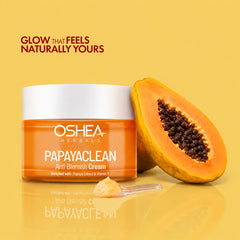
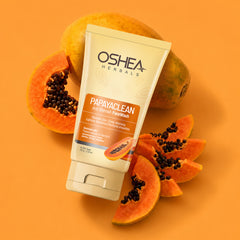
Key Highlights Dull skin usually has more than one cause working together: slowed cell turnover, dehydration, dead skin buildup and cumulative sun or pollution damage. As skin ages, natural cell turnover slows, meaning dead cells linger longer and dilute the appearance of radiance. Gentle, regular exfoliation is one of the most directly effective steps for restoring radiance. Hydration matters as much as exfoliation; even non-dry skin looks flat when dehydrated. Sun exposure and pollution contribute to dullness through cumulative free radical damage, not just visible tanning. Daily sunscreen is essential for protecting any brightening progress you make. In This Article What Does "Dull Skin" Actually Mean? The Real Causes of Dull Skin What Actually Restores Radiance What Does Not Work (and Can Backfire) Dull Skin by Cause A Daily Routine to Restore Radiance Ingredients Worth Knowing How to Choose the Right Products Results, Timeline and Best Practices Who Deals With Dull Skin Most? Related Reading Frequently Asked Questions Dull skin is one of the most common complaints in skincare, and also one of the vaguest. Unlike acne or dark spots, which are visible and specific, dullness is more of a general absence, a lack of the glow and evenness that healthy skin has. That vagueness makes it easy to reach for whatever product promises glow without addressing what is actually causing the flat, tired look in the first place. This guide breaks dullness down into its real, identifiable causes, so you can treat the actual problem rather than chasing a generic fix that may not match what your skin genuinely needs. You will find it mapped to real products along the way, from the brightening collection to targeted actives like the Vitamin C serum. As a herbal skincare brand, Oshea's formulation approach is described on our About page. You will also find complementary options across the glow-getter collection and the de-tan collection where relevant. 1. What Does "Dull Skin" Actually Mean? Dermatologists describe dull skin as skin that lacks radiance or luminosity, a quality that comes from how evenly light reflects off the skin's surface. Smooth, well hydrated skin with healthy cell turnover reflects light cleanly, which reads as a glow. Rough, dehydrated or dead-cell-laden skin scatters light unevenly instead, which reads as flat or tired, according to this dermatologist explanation of what causes dull skin. This same optical principle explains why makeup highlighters work as a temporary fix: they bounce light back the way healthy, smooth skin naturally would, without changing anything about the skin underneath or addressing any of the causes explored below. This means dullness is not really its own condition. It is a downstream effect of several other, more specific issues, dead skin buildup, dehydration, poor circulation, sun damage, that all reduce how evenly skin reflects light. Identifying which of these applies to you changes which fix will actually work, and often more than one is at play simultaneously, which is why a combined approach tends to outperform a single-ingredient fix. 💡 Dull skin is a symptom, not a diagnosis. The fastest way to fix it is figuring out which underlying cause is driving it for you, rather than applying a generic glow serum and hoping it happens to be the right match for what is actually going on underneath. 2. The Real Causes of Dull Skin Slowed cell turnover Skin naturally sheds dead cells and replaces them with fresh ones from below. As skin ages, this turnover process slows, meaning dead cells sit on the surface longer before shedding, which is a major contributor to age-related dullness, as explained by board-certified dermatologists in this dermatologist-sourced overview of dull skin causes. Clinical research using fluorescent tracking methods has directly measured this slowdown, finding stratum corneum renewal time lengthens measurably with age, from roughly 13 days in younger subjects to over 15 days in older ones, as documented in this study on stratum corneum turnover and age. A separate clinical report tracking common causes of dullness across dermatology patients similarly identified slowed cellular renewal alongside collagen loss as central mechanisms behind an ageing, less radiant complexion, as summarised in this overview of the causes of dull skin. Dehydration Even skin that is not clinically dry can look flat when it lacks sufficient water content. Dehydration can come from not drinking enough water, harsh cleansers stripping the skin's natural moisture, or environmental factors like air conditioning and dry weather. Unlike dryness, which is about oil production, dehydration is about water content, so even oily skin can be simultaneously oily and dehydrated, a combination that often confuses people trying to figure out why their skin looks tired despite feeling greasy. Dead skin cell buildup Closely related to slowed turnover, an accumulation of dead cells on the surface creates a rough, uneven texture that scatters light rather than reflecting it, making the face look tired and aged even when overall skin health is fine. Regular gentle exfoliation, such as with the Glopure scrub or the PapayaClean scrub, directly addresses this cause. Sun exposure and pollution Both generate free radical damage in the skin over time, which degrades collagen and contributes to an uneven, tired-looking complexion, separate from any visible tanning. This damage is cumulative and largely invisible day to day, which is why consistent sun protection matters even when skin looks fine in the moment. The PapayaClean Radiance sunscreen gel SPF 50 PA combines protection with a brightening effect. 📖 Also Read: How vitamin C serums brighten dull, tired skin 3. What Actually Restores Radiance Gentle, regular exfoliation Since dead skin buildup is a leading cause, clearing it is one of the most directly effective fixes. Chemical exfoliants such as glycolic acid have been clinically shown to reduce stratum corneum turnover time, meaning they genuinely speed up the shedding of dead cells rather than just feeling like they do, as measured in this clinical study comparing glycolic acid and retinoic acid on skin turnover. A gentle everyday option like the Glopure lightening and brightening foaming cleanser supports this without over-stripping the skin. Consistent hydration Ingredients like hyaluronic acid draw and hold water in the skin, directly addressing the dehydration side of dullness. Explore the 2% Hyaluronic Acid and PGA serum for this purpose, or the richer PapayaClean Radiance body lotion for dullness that extends beyond the face. Antioxidants and daily sunscreen Vitamin C and other antioxidants help defend against the ongoing free radical damage from sun and pollution, while sunscreen prevents new damage from accumulating in the first place. Together these address the longer-term, cumulative side of dullness. This is also the reason two people with similar skin can age very differently: daily, consistent sun protection over years compounds into a meaningfully brighter, more even complexion later on, even though the difference is invisible day to day. Dermatologists consistently point to the same core mechanism: as cell turnover slows and moisture retention declines, skin loses the smooth, even surface that reflects light as a healthy glow. Restoring that surface, not chasing a specific "glow" ingredient, is what actually works. 4. What Does Not Work (and Can Backfire) Over-exfoliating More is not better. Excessive scrubbing or overlapping multiple strong exfoliants damages the skin barrier, causing irritation and paradoxically making skin look more tired and uneven, not less. A red, sensitised complexion is, if anything, a step backward from the smooth, even-toned goal that prompted the extra exfoliation in the first place. Skipping moisturiser on oily skin Oily skin can still be dehydrated underneath. Skipping moisturiser to control shine often backfires, leaving skin both oily and dehydrated, a combination that looks especially dull and uneven. Chasing "instant glow" products without addressing causes Illuminating primers and highlighters create a temporary optical effect but do nothing for the underlying skin. They are fine for a special occasion but are not a substitute for addressing turnover, hydration and sun damage, and relying on them long-term without a real routine underneath means the underlying dullness only gets worse over time. 📖 Also Read: 10 tips to obtain naturally glowing skin 5. Dull Skin by Cause If your dullness is mainly from Prioritise Slow cell turnover / ageing Regular gentle exfoliation, retinoids Dehydration Hyaluronic acid, ceramide-rich moisturiser Sun and pollution damage Vitamin C, daily sunscreen Dead skin buildup / texture Chemical exfoliants, gentle scrubs Most people have more than one contributing factor, so a routine that combines gentle exfoliation, hydration and antioxidant protection tends to outperform one that targets a single cause. Restore radiance by treating the real causes Discover brightening skincare built around turnover, hydration and sun protection. Shop the Brightening Collection 6. A Daily Routine to Restore Radiance Cleanse gently. Use the Vitamin C face wash or the PapayaClean face wash. Exfoliate two to three times a week. A gentle chemical exfoliant clears the dead skin that dulls the surface, such as the Ubtan glowing face scrub. Treat with an antioxidant serum. Apply the Vitamin C serum in the morning. Hydrate. Layer the Hyaluronic Acid and PGA serum before moisturiser. Protect daily. Finish with the Vitamin C Kakadu Plum invisible sunscreen SPF 50 PA. Support overnight. A rich night option such as the Vitamin C cream supports repair while you sleep. 💡 A weekly mask, such as the Ubtan glowing face mask, adds a deeper boost on top of your daily routine, but it cannot replace the daily basics. 7. Ingredients Worth Knowing Ingredient Addresses Glycolic acid Cell turnover, dead skin buildup Vitamin C Antioxidant protection, tone evenness Hyaluronic acid Hydration Niacinamide Barrier support, tone evenness Rice water and papaya Gentle brightening and exfoliation The 10% Glycolic Acid and 2% Niacinamide serum combines two of these mechanisms in one step, while the Rice Water Brightening face serum offers a gentler daily option for sensitive or beginner skin that is still building tolerance to actives. 8. How to Choose the Right Products Identify your main driver before shopping: turnover, hydration, or sun damage. Layer, do not stack aggressively. One exfoliant and one antioxidant is usually enough. Never skip moisturiser, even on very oily skin. Check quality standards. See our awards and certifications page. 📖 Also Read: Vitamin C vs niacinamide for skin brightening 9. Results, Timeline and Best Practices What you are after When to expect change Smoother texture 1 to 2 weeks Visibly brighter, plumper skin 2 to 4 weeks Sustained, overall radiance 4 to 8 weeks Best practices Address all three angles together: turnover, hydration and sun protection. Do not over-exfoliate; two to three times a week is usually enough. Support skin from within too, with adequate sleep, water and a balanced diet. Be patient with age-related dullness; it responds to care but will not fully reverse to a much younger baseline. 10. Who Deals With Dull Skin Most? By Cause and Skin Type Mature or ageing skin: naturally slower cell turnover is the dominant driver. Dry and dehydrated skin: hydration is the priority here. Sun-exposed or urban-dwelling skin: antioxidants and sunscreen matter most. Anyone with an inconsistent routine: often the simplest, fastest fix of all. 11. Related Reading Articles Papaya cream for dull skin The best facial kits to revive tired skin How to get glowing skin the right way 3 amazing ways to use papaya for glowing skin Products Vitamin C serum 2% Hyaluronic Acid and PGA serum Glopure brightening serum PapayaClean anti-blemish cream Company About Oshea Herbals Awards and certifications Key Takeaways Dull skin is a symptom with several possible causes: slow cell turnover, dehydration, dead skin buildup and sun or pollution damage. Gentle, regular exfoliation is one of the most directly effective fixes. Hydration matters even on oily skin; dehydrated skin of any type can look dull. Vitamin C and daily sunscreen protect against the cumulative damage that contributes to long-term dullness. Address your specific cause rather than reaching for a generic glow product. Ready to find out what is really causing your dull skin? Tell us about your skin and we will help you build a routine that targets the real cause. Talk to Us Or learn more about Oshea Herbals 12. Frequently Asked Questions What is the main cause of dull skin?There is rarely just one cause. The most common contributors are slowed skin cell turnover, which leaves dead cells sitting on the surface, dehydration, and cumulative sun and pollution damage. As skin ages, cell turnover naturally slows, meaning fresh, radiant cells take longer to reach the surface, which is why dullness becomes more noticeable over time. Does exfoliating actually help dull skin?Yes, when done correctly. Removing the buildup of dead skin cells on the surface is one of the most direct ways to restore radiance, since dull skin often comes down to light scattering unevenly off a rough, uneven surface rather than reflecting cleanly. Two to three times a week with a gentle chemical exfoliant is usually enough; daily scrubbing tends to cause more harm than good. How much does dehydration affect how skin looks?Significantly. Even skin that is not clinically dry can look flat and lifeless when it lacks adequate water content, because plump, well hydrated skin reflects light more evenly. Dehydration can come from not drinking enough water, harsh cleansers that strip the skin, or environmental factors like air conditioning and dry weather. Can dull skin be reversed?Much of it, yes. Dullness caused by dead skin buildup, dehydration and an inconsistent routine responds well to consistent gentle exfoliation, hydrating ingredients and daily sun protection, usually within a few weeks. Dullness tied to natural ageing and slower cell turnover cannot be fully reversed but can be meaningfully improved with the same approach. Does vitamin C help with dull skin?Yes. Vitamin C is an antioxidant that helps defend skin against the pollution and UV-driven free radical damage that contributes to a tired, uneven complexion, and it supports a brighter, more even tone with consistent use. It works especially well alongside gentle exfoliation and daily sunscreen rather than as a stand-alone fix. How long does it take to see skin look brighter?Surface improvements from gentle exfoliation and hydration can show within 1 to 2 weeks. A more meaningful, sustained change in overall radiance from a consistent routine including brightening actives and daily sunscreen usually takes 4 to 8 weeks. Is dull skin the same as dry skin?No, though they overlap. Dry skin lacks natural oils and often looks flaky or tight, while dull skin lacks radiance and can happen on oily, dry or normal skin alike. Dryness is one common cause of dullness, but dead skin buildup, dehydration and sun damage can make even naturally oily skin look dull. Can stress and lack of sleep make skin look dull?Yes. Chronic stress raises cortisol levels, which can affect skin's moisture balance and contribute to a tired, less radiant appearance, and poor sleep reduces the time skin has to repair itself overnight. While skincare cannot fully offset lifestyle factors, a consistent routine can help minimise their visible impact.
Read more


