




- 5 percent is the most evidence-backed niacinamide concentration for everyday use on Indian skin.
- Niacinamide can be layered with vitamin C and retinol in modern formulations without cancelling either out.
- True niacinamide purging is rare; most reactions are irritation from concentration or a co-ingredient.
- Humidity and pollution levels across Indian cities change how quickly a niacinamide routine shows results.
- Sensitive, dry, and rosacea-prone skin should start low at 2 to 4 percent before increasing strength.
- Sunscreen remains non-negotiable, since niacinamide does not protect against UV-driven pigmentation.
- What Is Niacinamide and Why It Matters for Indian Skin
- The Correct Niacinamide Percentage for Indian Skin Types
- How Niacinamide Works: Barrier Repair and Oil Control
- Layering Order: Where Niacinamide Fits in Your Routine
- Niacinamide with Vitamin C, Retinol and AHA/BHA
- Side Effects to Watch For
- Niacinamide for Specific Indian Skin Concerns
- Choosing the Right Niacinamide Product
- Building a Complete Niacinamide Routine
- Who Should Use Niacinamide?
- Related Reading
- Frequently Asked Questions
Niacinamide has become the most searched skincare ingredient in India over the last three years, and for good reason. It addresses two problems that dominate Indian skin concerns at once: excess oil and uneven tone caused by melanin-rich skin reacting strongly to sun, pollution, and inflammation. But most of the confusion around niacinamide is not about whether it works. It is about getting the percentage, the layering order, and the introduction pace right for skin that deals with far more heat, humidity, and airborne particulate matter than the skin types most Western skincare content is written for.
This guide walks through what the research actually says about niacinamide, how to choose a strength that suits your skin type, and the side effects that genuinely deserve attention versus the ones that are overstated online. Along the way we will point to specific OShea Herbals serums and creams formulated for Indian climates and skin tones, including options from our Niacinamide collection.
1. What Is Niacinamide and Why It Matters for Indian Skin
Niacinamide is the amide form of vitamin B3 (nicotinamide), a water-soluble vitamin the skin uses in cellular energy production and repair. Unlike the free acid form of B3, called niacin, niacinamide is stable, does not oxidise easily in a bottle, and is generally well tolerated across a very wide range of skin types, from oily and acne-prone to dry and sensitized.
For Indian skin specifically, three factors make niacinamide unusually relevant. First, Fitzpatrick skin types III to V, which cover most of the Indian population, are more prone to post-inflammatory hyperpigmentation, meaning any acne, ingrown hair, or irritation tends to leave a dark mark that lingers for months. Niacinamide interrupts the pathway that transfers pigment from melanocytes to surrounding skin cells, which is why it shows up so often in dark spot and even-tone formulas. Second, India's climate swings between intense humidity in coastal cities and dry heat inland, both of which challenge the skin barrier in different ways, and niacinamide supports ceramide synthesis that keeps the barrier intact regardless of climate. Third, urban pollution levels in cities such as Delhi, Mumbai, and Kolkata generate oxidative stress on skin, and niacinamide has demonstrated antioxidant behaviour that helps offset some of this environmental load.
Niacinamide is not a brightening agent in the whitening sense. It works by regulating melanin transfer and calming inflammation, which is why results appear as more even tone rather than an actual change in baseline skin colour.
2. The Correct Niacinamide Percentage for Indian Skin Types
Percentage confusion is the single biggest reason people either see no results or develop irritation. Most retail niacinamide serums sit between 2 percent and 10 percent, and higher is not automatically better.
| Skin Type | Recommended Starting % | Notes |
|---|---|---|
| Oily / acne-prone | 5% to 10% | Higher end helps with oil regulation and blemish marks; watch for tingling at 10%. |
| Combination | 5% | The most balanced concentration for most Indian skin; well tolerated year-round. |
| Dry / dehydrated | 2% to 4% | Lower percentage paired with a humectant-rich moisturiser prevents tightness. |
| Sensitive / rosacea-prone | 2% to 3% | Introduce every other night for the first two weeks. |
| Mature / anti-ageing focus | 5% | Pairs well with peptide or retinol-based night creams. |
Clinical research on niacinamide concentration is fairly consistent: a widely cited study on facial hyperpigmentation found visible improvement in tone and texture at a 5 percent concentration over eight weeks, without significant irritation reported in the study population. Going beyond 10 percent has not been shown to meaningfully outperform 5 percent for most concerns, and it does raise the likelihood of a warm or tingling sensation, particularly on freshly cleansed or slightly compromised skin.
If you are new to niacinamide, the safest approach is to start with a moisturiser or serum in the 2 to 5 percent range, such as the niacinamide-containing formulas in our Brightening collection, applied every other night for the first ten days before moving to nightly use.
3. How Niacinamide Works: Barrier Repair and Oil Control
Niacinamide's effects come from several distinct mechanisms working together rather than a single action, which is part of why it suits so many skin concerns simultaneously.
Sebum regulation. Studies on niacinamide and sebaceous gland activity have shown a measurable reduction in sebum excretion rate after four to eight weeks of use, which explains its popularity for the oily, humid conditions common across Indian cities for much of the year.
Barrier strengthening. Niacinamide increases the skin's own synthesis of ceramides and free fatty acids, the lipids that hold the outer skin layer together. A stronger barrier means less water loss, better resilience against pollution particles, and less reactivity to harsher actives layered on top, such as retinol or exfoliating acids.
Pigment regulation. Niacinamide interferes with the transfer of melanosomes (pigment packets) from melanocytes to keratinocytes. This is a different mechanism than tyrosinase-inhibiting ingredients like vitamin C or kojic acid, which is why the two are often combined rather than treated as substitutes for each other.
Anti-inflammatory action. By calming redness and inflammatory signalling, niacinamide reduces the intensity and duration of post-inflammatory marks left behind by acne, which is one of the most common skin concerns reported by Indian dermatology patients.
Data point: Research published in dermatology journals has repeatedly shown measurable improvement in sebum production, fine lines, hyperpigmentation, and skin elasticity with consistent 5 percent niacinamide use over a 12-week period, with no significant adverse events reported in the study populations.
4. Layering Order: Where Niacinamide Fits in Your Routine
The general layering principle in skincare is thinnest to thickest texture, and water-based actives before oil-based ones. Niacinamide serums are typically light and water-based, which places them early in a routine, but the exact order depends on what else is in your regimen.
| Step | Product Type | Example |
|---|---|---|
| 1 | Cleanser | Phytowash Luxury Facewash |
| 2 | Toner | Teatree Fresh Skin Toner |
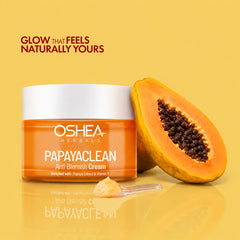
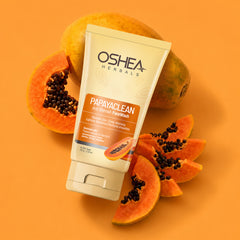
| 3 | Niacinamide serum | Papayaclean Anti-Blemish Face Serum |
| 4 | Moisturiser | Marinight Night Cream (PM) or day cream (AM) |
| 5 | Sunscreen (AM only) | Uvshield Sunscreen Fairness Lotion SPF 25 |
Wait roughly sixty seconds between each water-based step so the previous layer absorbs before the next one is applied. This prevents pilling, the small flakes of product that form when layers are applied too quickly on top of each other, which is a common complaint in humid Indian weather where skin already holds surface moisture.
Build Your Niacinamide Routine the Right Way
Explore OShea Herbals' range of serums, creams, and sunscreens formulated for Indian skin and climate.
Shop Niacinamide Range5. Niacinamide with Vitamin C, Retinol and AHA/BHA
For years, skincare advice warned against combining niacinamide with vitamin C, based on older in-vitro research suggesting the two could convert into niacin and cause flushing. Modern vitamin C formulations are buffered and stabilised differently, and most dermatologists now consider the combination safe and, in many cases, complementary, since vitamin C targets different steps of the pigmentation pathway than niacinamide.
Niacinamide + Vitamin C: Apply whichever is thinner first, wait a minute, then apply the second. If your vitamin C product causes any sensitivity, use it in the morning and niacinamide at night instead of combining them in one session.
Niacinamide + Retinol: This is one of the most well-supported pairings in skincare. Niacinamide reduces the redness, flaking, and irritation that often accompany retinol use, which makes it a practical buffer for people in India who are trying retinoids for the first time in a hot, humid climate where barrier disruption feels more uncomfortable.
Niacinamide + AHA/BHA (glycolic, lactic, salicylic acid): These can be used together, though pH mismatches were once a concern. In practice, applying the acid first, waiting a few minutes, then following with niacinamide once the skin's surface pH has partially normalised avoids most sensitivity. If your skin is new to acids, alternate nights rather than combining both on the same night.
6. Side Effects to Watch For
Niacinamide has one of the best safety profiles of any active ingredient in skincare, but that does not mean it is risk-free for everyone. Being able to tell the difference between a normal adjustment period and a genuine reaction saves a lot of unnecessary product-switching.
Flushing and warmth. This is usually linked to niacin, the related but distinct compound, rather than true niacinamide. However, some people with reactive or rosacea-prone skin do report a warm, tingling sensation at higher concentrations (above 5 percent), particularly from newer or poorly buffered formulas.
Breakouts after starting. Niacinamide itself does not exfoliate or accelerate cell turnover the way retinoids and acids do, so it is not expected to cause true purging. If breakouts appear after introducing a new niacinamide product, the more likely culprits are a comedogenic oil elsewhere in the formula, fragrance sensitivity, or simply introducing too high a concentration too quickly on skin that was not prepared for it.
Dryness or tightness. Rare, but can happen with very high concentrations (10 percent and above) on skin that is already barrier-compromised. Reducing frequency to every other night or switching to a lower percentage typically resolves this within a week.
Zinc interactions. Many niacinamide products are formulated with zinc PCA for additional oil control, and in a small number of people this combination can be slightly more drying than niacinamide alone. Check the ingredient list if you have naturally dry skin.
Patch test any new niacinamide product on your inner forearm for 48 hours before applying to your face, especially if you have a history of reacting to vitamin B derivatives or have very reactive, thin skin.
7. Niacinamide for Specific Indian Skin Concerns
Post-acne marks and pigmentation: This is where niacinamide has the strongest evidence base for Indian skin. Because Fitzpatrick III to V skin marks easily after any inflammation, a consistent 5 percent niacinamide routine paired with SPF is one of the most reliable ways to fade dark spots over 8 to 12 weeks, often used alongside products like our Cocowhite Fairness Cream or items from the De-Pigmentation collection.
Oily and humid-climate skin: Cities with high humidity such as Mumbai, Chennai, and Kolkata see more sebum production for most of the year. Niacinamide paired with a lightweight, non-comedogenic moisturiser from the Oily Skin Type collection helps regulate oil without stripping the barrier the way harsher astringents can.
Dry-climate and combination skin: In drier northern regions, particularly through winter, niacinamide should be paired with a richer moisturiser, such as those in the Dry Skin Type collection, to prevent the tight, dehydrated feeling that can occur when actives are used without adequate occlusion.
Enlarged pores: Niacinamide's effect on sebum and inflammation can visibly reduce the appearance of enlarged pores over time, especially when combined with a gentle pore-refining routine from the Pore Minimizing collection.
8. Choosing the Right Niacinamide Product
Not all niacinamide products are formulated equally, and for Indian skin, a few practical checks matter more than chasing the highest percentage on the label.
- Check the full ingredient list, not just the headline percentage. A well-formulated 5 percent product with supporting humectants will often outperform a poorly stabilised 10 percent product.
- Look for added zinc for oily and acne-prone skin, or added hyaluronic acid and glycerin for dry and combination skin.
- Avoid heavy fragrance if your skin is sensitive or prone to reacting to essential oils, since fragrance is a far more common irritant than niacinamide itself.
- Match the format to your climate. Gel-based serums suit humid coastal cities; cream-based formulas suit drier, colder regions through winter.
Our Papayaclean Anti-Blemish Face Serum and formulas across the Serum collection are built specifically around these considerations for Indian skin and weather patterns.
9. Building a Complete Niacinamide Routine
Consistency matters more than complexity when it comes to niacinamide. A simple, repeatable routine outperforms an elaborate one that gets abandoned after two weeks.
Morning: Cleanser, niacinamide serum, lightweight moisturiser, broad-spectrum sunscreen. This is the sequence where sunscreen is non-negotiable, since any pigmentation-fading work done by niacinamide overnight can be undone by unprotected sun exposure the next day.
Evening: Cleanser, treatment step (retinol, acid, or a second niacinamide application), moisturiser or night cream such as Phytonight Night Cream. If you are using both niacinamide and a stronger active like retinol, alternate nights initially until your skin builds tolerance.
Weekly: One gentle exfoliation session, using a mild scrub or chemical exfoliant, keeps dead skin buildup from blocking absorption of your niacinamide serum, particularly in humid climates where sweat and oil can accelerate surface congestion.
10. Who Should Use Niacinamide?
Niacinamide's versatility means it suits a wide range of people, though the goals differ by group.
- Oily and acne-prone skin looking to control shine and reduce post-acne marks: Acne collection
- Anyone dealing with pigmentation or uneven tone from sun or inflammation: Pigmentation collection
- Combination skin needing balance across the T-zone and cheeks: Combination Skin Type collection
- Mature skin adding gentle, well-tolerated actives to an anti-ageing routine: Anti-Ageing collection
- First-time retinol users who want to reduce dryness and flaking: Wrinkles collection
11. Related Reading
12. Frequently Asked Questions
What percentage of niacinamide is best for Indian skin?
For most Indian skin types, 5 percent niacinamide offers the best balance of visible results and tolerance. Sensitive or dry skin often does better starting at 2 to 4 percent, while oily and acne-prone skin can typically move up to 5 to 10 percent once tolerance is established.
Can I use niacinamide every day?
Yes, niacinamide is one of the few actives considered safe for twice-daily use by most people, including those with rosacea-prone or eczema-prone skin, as long as the formulation is well tolerated.
Does niacinamide cause purging?
Niacinamide is not an exfoliating acid and does not typically cause true purging. Breakouts after starting niacinamide are more often a reaction to another ingredient in the formula, a fragrance sensitivity, or simple irritation from too high a concentration introduced too quickly.
Should niacinamide go before or after vitamin C?
Modern formulations are buffered so niacinamide and vitamin C can be layered in either order without significant conversion to niacin. A practical routine is to apply the thinner, more water-based serum first, then follow with the second, waiting sixty seconds between layers.
Can niacinamide be used with retinol in the same routine?
Yes. Niacinamide is frequently paired with retinol because it helps reduce the dryness and flaking that retinol can cause, making it a useful buffer for Indian skin that is new to retinoids.
Why does niacinamide cause flushing or redness for some people?
Flushing is usually linked to a related compound called niacin (vitamin B3 in its free acid form) rather than niacinamide itself, though very high concentrations or poorly formulated products can still cause a temporary warm, tingling sensation in reactive skin.
Does niacinamide help with pigmentation common in Indian skin?
Niacinamide is well studied for reducing the transfer of pigment granules to skin cells, which can visibly soften dark spots, post-acne marks, and uneven tone over eight to twelve weeks of consistent use.
Is niacinamide enough on its own or does it need sunscreen?
Niacinamide is not a substitute for sunscreen. Since India receives intense UV exposure for most of the year, a broad-spectrum SPF must be applied every morning regardless of which niacinamide serum or cream is used.


